
Hoarding Cleanup in San Francisco
Hoarding disorder affects an estimated 2–6% of the population and is recognized under the DSM-5 as a distinct mental health condition. It is not a character flaw or a failure of will — it is a diagnosable condition that requires compassion alongside professional remediation. When a hoarding situation reaches the point where property cleanup is needed, the people involved — the resident, their family, their landlord, or the estate — are often navigating grief, guilt, urgency, and complexity simultaneously.
ClearPath approaches every hoarding cleanup with that reality in mind. We use unmarked vehicles, work at the pace the situation requires, and coordinate with social workers, estate attorneys, and property managers as needed. Our technical expertise covers the full spectrum of conditions found in hoarding properties — from moderate clutter to Level 5 extreme hoarding with active biohazard contamination.
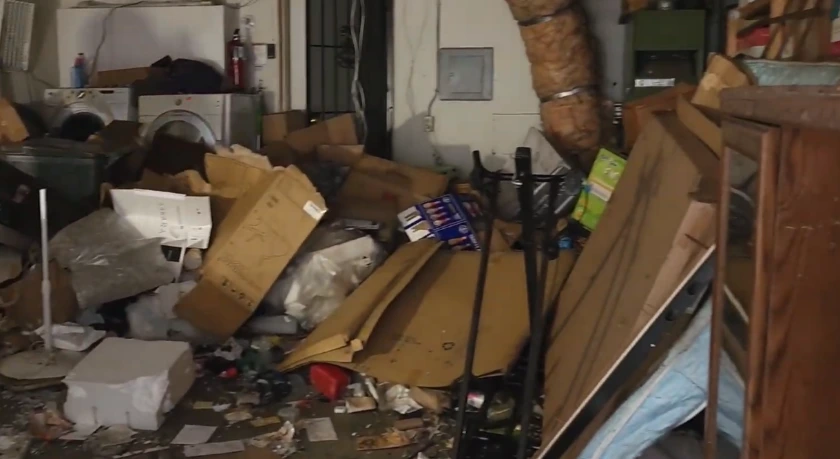
Hoarding Levels: What They Mean for Cleanup
The Clutter Image Rating (CIR) scale — widely used by mental health professionals and remediation specialists — classifies hoarding in five levels. The level determines the scope of work, the PPE required, and whether biohazard protocols apply.
Hidden Biohazards in Hoarding Properties
The visible clutter in a hoarding property is rarely the primary safety concern. The conditions concealed beneath accumulation are what require professional assessment — and what distinguish hoarding cleanup from standard junk removal.
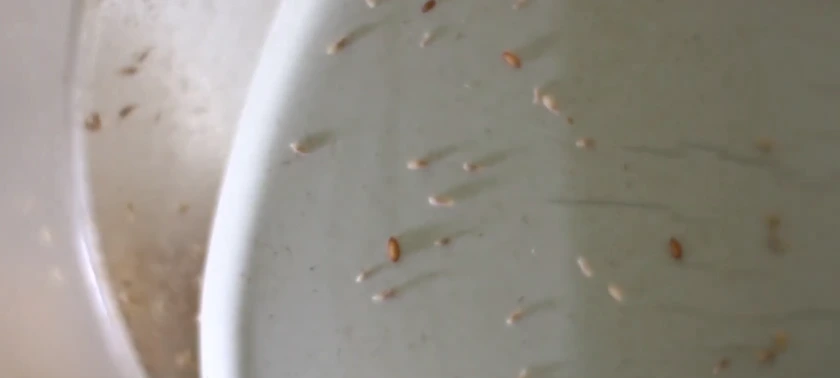
Rodent & Insect Infestation
Dense, undisturbed accumulation is ideal habitat for Norway rats, roof rats, and German cockroaches — all common in San Francisco. Rodent droppings and urine may contain hantavirus and leptospirosis. Insect frass and nesting material require PPE and Cal/OSHA §5193-compliant handling and disposal.
Human & Animal Waste
In severe hoarding situations, nonfunctional plumbing or inaccessible bathrooms often lead to waste accumulation within the living space. Animal hoarding introduces additional fecal and urine contamination across all surfaces. These materials are classified biohazardous and require licensed disposal.
Mold & Water Damage
Accumulation against walls and windows blocks ventilation and traps condensation, accelerating mold growth. Plumbing leaks and roof water intrusion go undetected and unrepaired for years. ClearPath uses moisture meters to map hidden water damage before removal begins.
Structural & Fire Hazards
In extreme cases, the weight of accumulated materials can compromise floor joists and subfloor integrity — a risk in SF's older Victorian and Edwardian buildings. Blocked egress and accumulated paper create significant fire load. ClearPath conducts a structural safety assessment before crews begin work in high-accumulation environments.
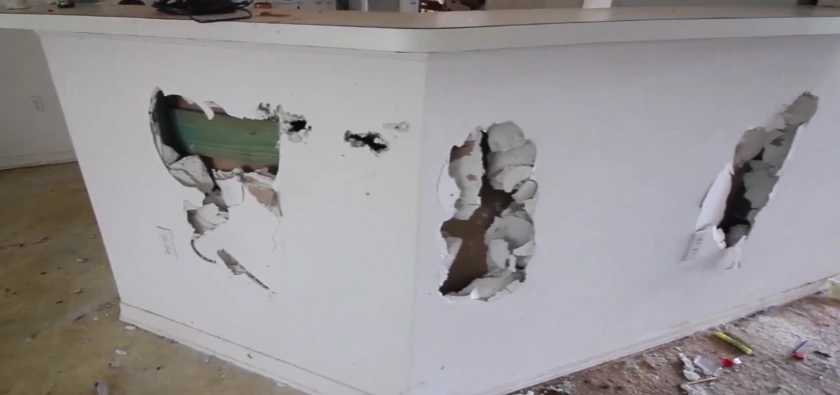
ClearPath's Hoarding Cleanup Process
Compassionate Assessment & Scope of Work
ClearPath begins every hoarding cleanup with a free, in-person assessment — no cost, no commitment. We evaluate the hoarding level, identify biohazard conditions, assess structural concerns using moisture meters, and document the scope in detail. For occupied properties, we coordinate the assessment schedule around the resident's comfort. For estate situations, we work directly with the attorney, public administrator, or family representative.
Sorting, Salvage & Items of Value
Before any removal, ClearPath helps identify items of personal, sentimental, or financial value — documents, photographs, jewelry, heirlooms, medications — that should be preserved rather than discarded. For estate situations, we work with the family or attorney to flag items for review before removal. We do not discard personal items without explicit authorization, and we document the salvage process thoroughly.
Biohazard Remediation & Structural Treatment
All biological contamination — human or animal waste, decomposing food, rodent and insect infestation material — is handled under full Cal/OSHA §5193 protocols with appropriate PPE. Pest infestation areas are documented and treated before general removal proceeds. Structural materials with mold or water damage are assessed; saturated materials are removed to the extent of contamination. All biohazardous waste is transported by licensed California medical waste carriers.
Deep Clean, Deodorization & Clearance
Once all contaminated material is removed, all structural surfaces are cleaned with EPA-registered hospital-grade disinfectants. HEPA air scrubbers run throughout the decontamination phase. Hydroxyl generators eliminate residual odors at the molecular level. The cleaned space is documented with photos and ATP swab testing results. ClearPath issues written Certified Clean documentation confirming the property is safe for restoration and re-occupancy.
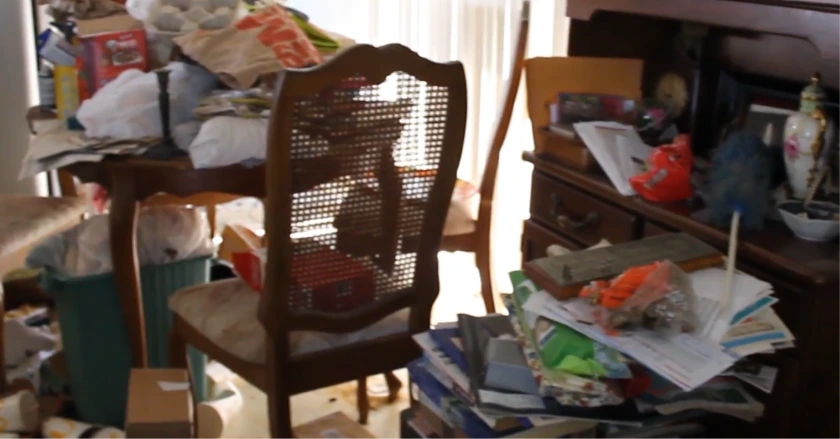
For Families: What to Expect
Hoarding cleanup is emotionally complex for families. Whether you are helping a living parent or clearing an estate after a loss, the process requires balancing practicality, grief, dignity, and urgency. ClearPath works with families at every stage.
- Non-judgmental at all times. ClearPath technicians are trained in trauma-informed communication. We do not comment on or characterize the condition of the property in front of the resident or family, and we approach every situation with the same professional respect.
- Pace is yours to set. When the resident is living in the property, we work at the pace they determine is appropriate — this is their home and their process. We also coordinate with mental health professionals and social workers when requested.
- Estate & probate situations. When the resident has passed, ClearPath coordinates directly with the estate attorney, public administrator, or family executor. We provide itemized documentation suitable for probate court submission.
- Items of value. We help identify and preserve documents (financial, legal, medical), photographs, medications, and items of personal significance before any removal begins. Family members or attorneys are welcome on-site during this phase.
- Discretion. Unmarked vehicles and plain-clothed crews are available on request. We coordinate arrival and departure to minimize visibility at the property.
For San Francisco Landlords and Property Managers
Hoarding in a tenanted unit creates specific challenges in San Francisco, where tenant protections are among the strongest in the country. Navigating access, habitability obligations, and legal remedies requires care.
- California Civil Code §1941 requires landlords to maintain units in a habitable condition. When tenant hoarding creates sanitation, pest, or structural hazards that extend to common areas or adjacent units, habitability obligations are engaged — but forcing access to a tenanted unit is a legal process, not a unilateral action.
- Adjacent unit impact. Pest infestations and mold originating in a hoarding unit frequently spread to adjacent units. ClearPath assesses and documents adjacent-unit impact as part of the standard scope, which is typically necessary for insurance and code enforcement documentation.
- Coordination with SF DPH and code enforcement. For extreme hoarding situations, coordination with SF DPH Environmental Health or the SF Fire Department may be required before access can be obtained. ClearPath has experience working alongside these agencies and can assist with the documentation they need.
- Vacant or estate situations. When a tenancy has ended and the unit is vacant, remediation can proceed without the tenant coordination challenges. ClearPath can typically begin within hours of authorization for vacant-unit situations.
Insurance Coverage for Hoarding Cleanup
Insurance coverage for hoarding cleanup depends on how the resulting damage is classified under your policy. The cleanup itself — removal of accumulated items — is generally not covered. However, the damage that hoarding caused may be.
ClearPath is not a public adjuster. Coverage is subject to your individual policy terms. Always confirm with your carrier before work begins.
Service Areas — San Francisco
Hoarding Cleanup FAQ — San Francisco
What is considered a hoarding situation that requires professional cleanup?
How discreet is the hoarding cleanup process?
Can hoarding cleanup be forced on a tenant in San Francisco?
Who pays for hoarding cleanup in an estate or probate situation?
Is hoarding cleanup covered by homeowner's or landlord's insurance?
Compassionate Hoarding Cleanup in San Francisco
Free assessment, discreet crews, all hoarding levels. ClearPath responds within 2 hours, anywhere in San Francisco — 24 hours a day, 365 days a year.
(628) 202-8803 Request Free Assessment