
Sewage Backup Cleanup in San Francisco
A sewage backup is not a plumbing problem that becomes a cleanup problem — it is an immediate biohazard event that requires certified remediation from the moment it occurs. Human waste and sewage water carry a broad spectrum of pathogens capable of causing serious illness, and the porous materials in a residential or commercial space — carpet, drywall, insulation — absorb and trap those pathogens in ways that standard drying and cleaning cannot address.
San Francisco's housing stock is particularly vulnerable to sewage events. Tens of thousands of Victorian and Edwardian buildings have clay lateral pipes that are 80 to 120 years old, vulnerable to root intrusion, offset joints, and collapse. The city's combined sewer system — which carries both storm water and sanitary sewage in a single pipe — overflows during heavy rain events, pushing sewage back up building laterals into basements and low-lying units. SROs and high-density residential buildings experience stack failures and shared drain backups that can affect multiple floors simultaneously.
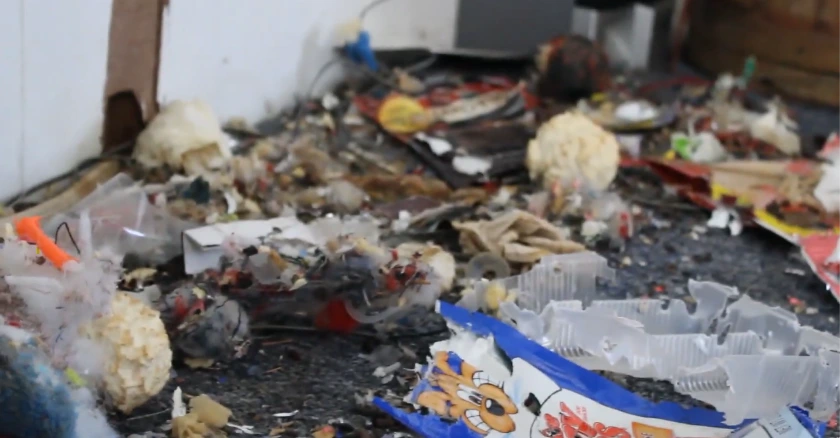
Sewage Is Category 3 Water — The Most Hazardous Classification
The IICRC S500 Standard for Professional Water Damage Restoration classifies water intrusion events into three categories based on contamination level. Sewage backup is always Category 3 — the highest contamination classification — regardless of how diluted it appears.
Fecal Pathogens & Bacteria
Sewage contains fecal coliform bacteria including E. coli, Salmonella, Campylobacter, and Clostridium difficile. These bacteria survive on moist porous surfaces and cause gastrointestinal illness, blood infections, and in vulnerable populations, life-threatening complications.
Viral Contamination
Sewage typically carries norovirus, rotavirus, hepatitis A virus, and adenovirus — all transmitted via the fecal-oral route. Hepatitis A is of particular concern in San Francisco, where the city has experienced outbreaks linked to sanitation conditions. Viral contamination on surfaces can persist for days to weeks.
Porous Material Penetration
Carpet, carpet padding, drywall, and insulation absorb sewage water and cannot be decontaminated — they must be removed. IICRC S500 protocols require removal and disposal of all porous materials contacted by Category 3 water. Drying these materials in place traps pathogens inside wall cavities and under floors.
Hidden Moisture Migration
Sewage water wicks up drywall and migrates under flooring far beyond the visible affected area. ClearPath uses calibrated moisture meters and thermal imaging cameras to map the full extent of moisture migration — including inside wall cavities — before any drying equipment is placed or porous materials are removed.
Sewage Cleanup — Who We Serve
ClearPath responds to sewage backup and overflow events across all property types in San Francisco. The cause may differ, but the Category 3 biohazard classification and the need for professional remediation apply equally.
- Basement and ground-floor residential units. Basement apartments and garden-level units in SF are most vulnerable to main line backflow events — particularly during heavy rain events when the city's combined sewer system experiences overflow. ClearPath responds to basement sewage events 24/7 and brings extraction, drying, and decontamination equipment in a single mobilization.
- Multi-unit buildings and SROs. Plumbing stack failures, shared drain blockages, and backups from upper-floor units can cause sewage intrusion across multiple floors simultaneously. ClearPath assesses all affected units and coordinates remediation across common and private areas.
- Commercial kitchens and restaurants. Grease trap overflows and drain backups at restaurant and food service properties create Category 3 contamination in kitchen areas requiring full decontamination before the space can pass a health inspection. ClearPath provides expedited overnight or weekend service to minimize operational disruption.
- Office buildings and commercial spaces. Restroom drain backflows, sewage ejector pump failures, and lateral failures at commercial properties. ClearPath provides documentation for commercial property management records and tenant communications.
- Landlord and property manager properties. ClearPath provides complete remediation documentation for California Civil Code §1941 habitability compliance, tenant displacement records, and insurance claims processing.
ClearPath's Sewage Cleanup Process
Immediate Assessment & Safety Containment
ClearPath responds within 2 hours for sewage events in San Francisco. On arrival, the lead technician confirms the sewage source has been stopped or is controlled (plumbing repair is a prerequisite for cleanup — ClearPath can coordinate referrals to licensed emergency plumbers if needed). The affected area is assessed for safety, the extent of contamination is mapped, and affected occupants are advised to vacate until cleanup is complete.
Moisture Mapping with Meters & Thermal Imaging
Before any extraction or demolition begins, ClearPath maps the full extent of moisture intrusion using calibrated moisture meters and thermal imaging cameras. Thermal imaging reveals moisture that has wicked up drywall, migrated under flooring, or penetrated behind cabinets — areas invisible to standard assessment. This map defines the precise demolition scope and prevents the common error of leaving moisture behind walls that drives mold growth weeks later.
Sewage Extraction & Porous Material Removal
Standing sewage is extracted with truck-mounted or portable extraction equipment. All porous materials contacted by Category 3 water — carpet, carpet padding, drywall below the flood line and to the full extent of moisture migration, and insulation — are removed and packaged for disposal as regulated waste per Cal/OSHA protocols. Removal of contaminated materials is non-negotiable under IICRC S500; leaving them in place guarantees ongoing pathogen presence and mold growth.
Surface Decontamination
All remaining hard surfaces — concrete slabs, floor joists, wall framing, plumbing fixtures — are treated with EPA-registered hospital-grade disinfectants at appropriate concentrations and dwell times. Disinfectant selection accounts for the pathogen profile of sewage, including viral and bacterial agents. After decontamination, surfaces are tested with ATP (adenosine triphosphate) bioluminescence meters — a rapid clearance test that quantifies biological contamination at the cellular level and confirms cleaning efficacy.
Structural Drying & Clearance Verification
Commercial dehumidifiers and high-velocity air movers are deployed to bring structural moisture levels to IICRC-defined drying goals. Moisture readings are documented at each monitoring point on a daily drying log. Drying is verified with final moisture meter readings across all previously affected structural members before the property is released for reconstruction. ClearPath provides the full drying log, ATP clearance test results, and a written post-remediation condition report for insurance and reconstruction documentation.
San Francisco's Sewer System & Sewage Backup Risk
San Francisco's sewer infrastructure creates specific, recurring risks that property owners and managers should understand.
- Combined sewer system. Unlike most modern cities, San Francisco's collection system is a combined sewer — storm water and sanitary sewage share the same pipes. During heavy rain events, combined flow can exceed the system's capacity, triggering combined sewer overflows (CSOs) that push wastewater back up building laterals into basements and low-lying units. The SF Public Utilities Commission (SF PUC) manages this system; major rain events are a predictable sewage backup risk citywide.
- Aging clay lateral pipes. Most Victorian and Edwardian buildings in SF were connected to the sewer system with clay vitrified pipe — installed 80 to 120 years ago. These laterals are highly susceptible to root intrusion from street trees, offset joints from soil movement, and full structural collapse. A blocked or failed lateral is the single most common cause of sewage backup in San Francisco residential buildings.
- Multi-unit vertical stacking. SF's high-density residential buildings — Victorians converted to flats, mid-century apartment buildings, SROs — share vertical drain stacks. A blockage in a shared stack can cause backup simultaneously across multiple units on different floors, requiring coordinated multi-unit remediation.
- Backflow prevention valves. California Plumbing Code allows installation of backwater (backflow prevention) valves in building laterals, which prevent city main backflow from entering a building during CSO events. ClearPath can advise on backflow valve installation as a mitigation measure for buildings with repeated backup history, though installation requires a licensed plumber.
Mold Risk After Sewage Backup in San Francisco
Mold growth is the most common secondary consequence of sewage backup — and one that significantly expands remediation scope and cost when not prevented immediately.
Mold requires three conditions to grow: a food source (organic material in building assemblies — drywall paper, wood framing), moisture, and temperatures above approximately 40°F. San Francisco's naturally high ambient humidity and dense summer fog maintain near-ideal mold-growth humidity levels year-round. When moisture is introduced into wall cavities or under flooring and not rapidly addressed, mold can establish within 24–48 hours.
When a property is not remediated promptly — or is remediated incompletely, with moisture left behind walls — mold remediation adds significant scope and cost to the project. ClearPath's thermal imaging assessment and daily drying monitoring are designed specifically to identify and address hidden moisture before it becomes mold growth.
Insurance Claims for Sewage Backup Cleanup
Sewage backup cleanup documentation is critical for successful insurance claims. Many San Francisco property owners are surprised to learn that their standard homeowner or renter policy does not cover sewage backup unless a specific sewer backup rider or water backup endorsement is included. Commercial property policies vary considerably in their coverage for Category 3 water events.
Regardless of policy type, ClearPath provides complete documentation to support claims processing:
- Before-and-after photography of all affected areas
- Moisture mapping results with meter readings and thermal images
- Itemized scope of work and invoice with IICRC category classification
- Drying log with daily moisture readings at each monitoring point
- ATP clearance test results confirming decontamination efficacy
- Post-remediation condition report documenting structural readiness for reconstruction
ClearPath is not a public adjuster. Coverage is subject to your individual policy terms. If your policy excludes sewer backup, ClearPath can provide documentation to support a municipal liability claim with the SF PUC if the backup is attributed to city main failure — but that claim process is separate and may require legal counsel.
Service Areas — San Francisco
Sewage Cleanup FAQ — San Francisco
Is sewage backup a biohazard?
Can carpet and drywall be dried after a sewage backup?
How quickly does mold grow after a sewage backup?
Who is responsible for sewage backup cleanup in San Francisco?
Does homeowner insurance cover sewage backup cleanup?
24/7 Sewage Cleanup in San Francisco
Category 3 biohazard response — extraction, structural drying, decontamination, and ATP clearance verification. ClearPath responds within 2 hours, anywhere in San Francisco.
(628) 202-8803 Get Free Quote