
Encampment Cleanup in San Francisco
San Francisco has one of the highest rates of unsheltered homelessness of any major American city. The resulting encampment activity creates recurring biohazard conditions on commercial properties, in alleyways, beneath freeway underpasses, in parking structures, and on residential building perimeters — particularly in neighborhoods like the Tenderloin, SoMa, Mission, Civic Center, and the Hyde Street corridor.
Encampment sites are not standard cleanup jobs. The combination of human waste, used needles, fentanyl and drug residue, decomposing food, and long-established rodent activity creates a multi-category biohazard environment that requires certified handling, proper PPE, and licensed medical waste disposal. Attempting to clean an encampment site without proper protocols puts workers at real risk of bloodborne pathogen exposure, fentanyl contact, and leptospirosis from rodent urine.
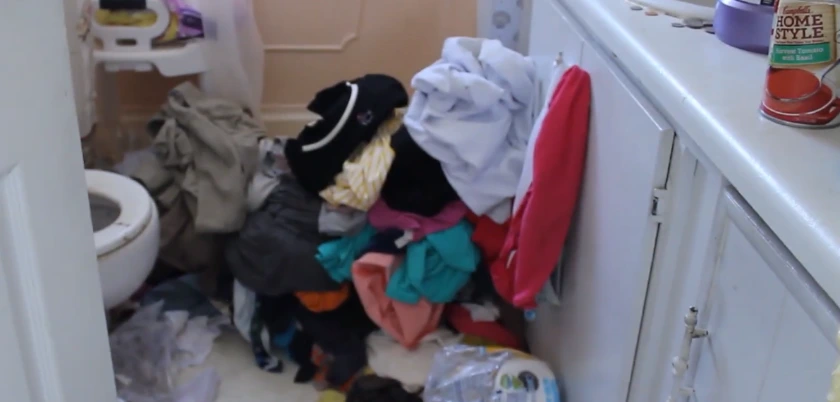
Biohazard Risks in Encampment Cleanup
Every encampment site presents multiple overlapping biohazard categories. The mix and severity depend on the site's history, duration, and the population it has sheltered — but the following are consistently present and require professional handling.
Human Waste & Bloodborne Pathogens
Human feces can harbor hepatitis A, E. coli, Salmonella, and other enteric pathogens. Human waste and blood on-site are classified under Cal/OSHA §5193 Bloodborne Pathogen Standard — handling requires appropriate PPE, EPA-registered disinfectants, and licensed medical waste disposal.
Used Sharps & Needles
Used hypodermic needles at encampment sites present HIV, HBV (survives on surfaces 7 days), and HCV exposure risk. California Health & Safety Code §118285 governs sharps disposal. ClearPath collects all sharps with mechanical devices (never by hand), documents the count, and disposes via licensed sharps waste carriers.
Fentanyl & Drug Residue
Illicitly manufactured fentanyl is active at microgram quantities. Surface residue, foil, and pipe residue at encampment sites present dermal absorption and inhalation risk when disturbed. ClearPath uses appropriate respiratory protection, nitrile gloves, and surface testing at known drug-use sites.
Rodents & Vector Disease
Long-established encampments attract Norway rats, which thrive in the warm, undisturbed conditions beneath tents and accumulated material. Rodent urine can carry leptospirosis; droppings may harbor hantavirus. ClearPath assesses rodent harborage during cleanup and documents findings for pest control follow-up.
Property Types We Service
Encampment cleanup needs in San Francisco are not confined to any single property type. ClearPath provides certified remediation across the full spectrum of affected properties — commercial, residential, and mixed-use.
- Commercial retail & restaurant properties. Doorways, loading docks, alleyways, and building perimeters adjacent to retail and dining operations — where encampment conditions affect customer access, employee safety, and health permit compliance. ClearPath offers pre-dawn scheduling to have sites clean before staff arrival.
- Office buildings & commercial real estate. Common areas, parking structures, and exterior building perimeters managed by property management companies and commercial REITs. ClearPath provides recurring contract service with consistent documentation for portfolio management.
- Parking structures & surface lots. Multi-level parking structures and surface lots attract encampment activity in covered lower levels, stairwells, and elevator lobbies. ClearPath can clean and disinfect all surfaces including concrete, painted metal, and drainage channels.
- Residential buildings & apartment complexes. Building perimeters, garage entrances, laundry areas, and alleyways alongside residential properties. ClearPath provides resident-hours scheduling and discreet service to minimize tenant disruption.
- Transportation infrastructure. Freeway underpasses, Caltrain and BART station perimeters, transit stops. ClearPath works with both private property owners and contracted through municipal purchasing vehicles.
- Post-eviction cleanup. Following SFPD or SF HSOC (Healthy Streets Operations Center) encampment resolution, the site requires immediate professional remediation before it becomes re-occupied. ClearPath responds within 2 hours of site clearance authorization.
ClearPath's Encampment Cleanup Process
Rapid Assessment & Scene Evaluation
ClearPath responds within 2 hours for encampment cleanup requests. On arrival, the lead technician evaluates the site for all biohazard categories present — human waste, sharps density, drug residue evidence, and rodent activity — and determines the PPE level, containment requirements, and licensed disposal needs before crew deployment begins. For large or complex sites, a same-day written scope and cost estimate is provided.
PPE & Sharps Collection
All technicians are in full PPE appropriate to the site's hazard profile — including respiratory protection where fentanyl use is evident. Used needles and sharps are collected using mechanical pick-up devices (never by hand), counted, and placed in DOT-compliant sharps containers. ClearPath documents the sharps count for each job, satisfying California Health & Safety Code §118285 recordkeeping requirements and providing a chain-of-custody record for property documentation.
Debris Removal & Surface Decontamination
All biological material — human waste, blood, drug residue, and contaminated soft goods — is bagged in DOT-compliant biohazard containers for licensed medical waste disposal. Remaining debris (clothing, tents, furniture) is removed to the extent authorized by the property owner. All structural surfaces — concrete, pavers, painted metal, wood — are treated with EPA-registered hospital-grade disinfectants at appropriate dwell times. Drainage is managed to prevent runoff of contaminated wash water into storm drains.
Post-Cleanup Documentation
ClearPath provides before-and-after photography, an itemized scope of work and invoice with biohazard categories listed separately, sharps count and disposal manifests, and a written post-cleanup condition report. For recurring service clients, documentation is formatted consistently to support property management records, municipal contract reporting, and insurance claims.
Encampment Cleanup in San Francisco's Regulatory Context
San Francisco has developed specific city-level infrastructure around encampment management. Property owners and managers should understand how city processes interact with private cleanup obligations.
- SF HSOC (Healthy Streets Operations Center) coordinates encampment resolutions across SFPD, Public Works, the Department of Homelessness and Supportive Housing (HSH), and other city agencies. HSOC resolutions clear the site of occupants — but do not perform biohazard remediation. The property owner or responsible party must arrange cleanup immediately after the site is cleared.
- 72-hour posting requirement. Under SF guidelines, most encampment resolutions are preceded by a 72-hour advance notice. This provides time to arrange remediation to begin immediately when the site is cleared — ClearPath can be scheduled in advance to mobilize within hours of HSOC clearance.
- SF Department of Public Health (DPH) Environmental Health. SFDPH EH has jurisdiction over public health nuisances and can require property owners to remediate encampment-related conditions. ClearPath's documentation package supports DPH compliance verification.
- Storm drain compliance. The SF NPDES permit prohibits discharge of contaminated wash water into the storm drain system. ClearPath manages all wastewater during encampment cleanup to maintain compliance — a requirement that standard power-wash contractors often do not meet.
Recurring Service Agreements for Commercial Properties
Many San Francisco commercial properties, parking operators, and property management companies experience recurring encampment activity — particularly during and after shelter-in-place orders, cold snaps, and during the summer months when SF's street population typically increases.
ClearPath offers standing service agreements for clients with recurring encampment cleanup needs. Benefits include:
Insurance Documentation for Encampment Cleanup
Commercial general liability and property policies may cover cleanup costs when encampment activity has caused documentable property damage — vandalism, structural contamination, or damage to fixtures. ClearPath provides complete documentation to support insurance claims and property records.
For commercial clients, accurate before-and-after photography and itemized invoices are especially important for recurring sites where cumulative damage may be claimed across multiple cleanup events. ClearPath structures documentation to support both individual event claims and cumulative damage records.
ClearPath is not a public adjuster. Coverage is subject to your individual policy terms. Confirm coverage with your carrier before beginning work.
Service Areas — San Francisco
Encampment Cleanup FAQ — San Francisco
What biohazard risks are present in homeless encampments?
Is fentanyl residue dangerous during encampment cleanup?
How quickly can ClearPath respond to an encampment cleanup request?
What documentation does ClearPath provide for encampment cleanup?
Does ClearPath offer ongoing encampment cleanup contracts?
OSHA-Compliant Encampment Cleanup in San Francisco
Human waste, sharps, fentanyl residue — handled professionally and documented completely. ClearPath responds within 2 hours, anywhere in San Francisco.
(628) 202-8803 Get Free Quote